If you take insulin or a medicine that can cause low blood glucose, major changes to carbohydrate intake may require professional guidance.
Start with meal structure
A meal can be easier to reason about when you separate it into components: non-starchy vegetables, a protein source, and a starch or other carbohydrate source. This is not a rigid rule and it is not a prescription. It is a way to see where most of the carbohydrate is coming from and whether vegetables and protein are present.
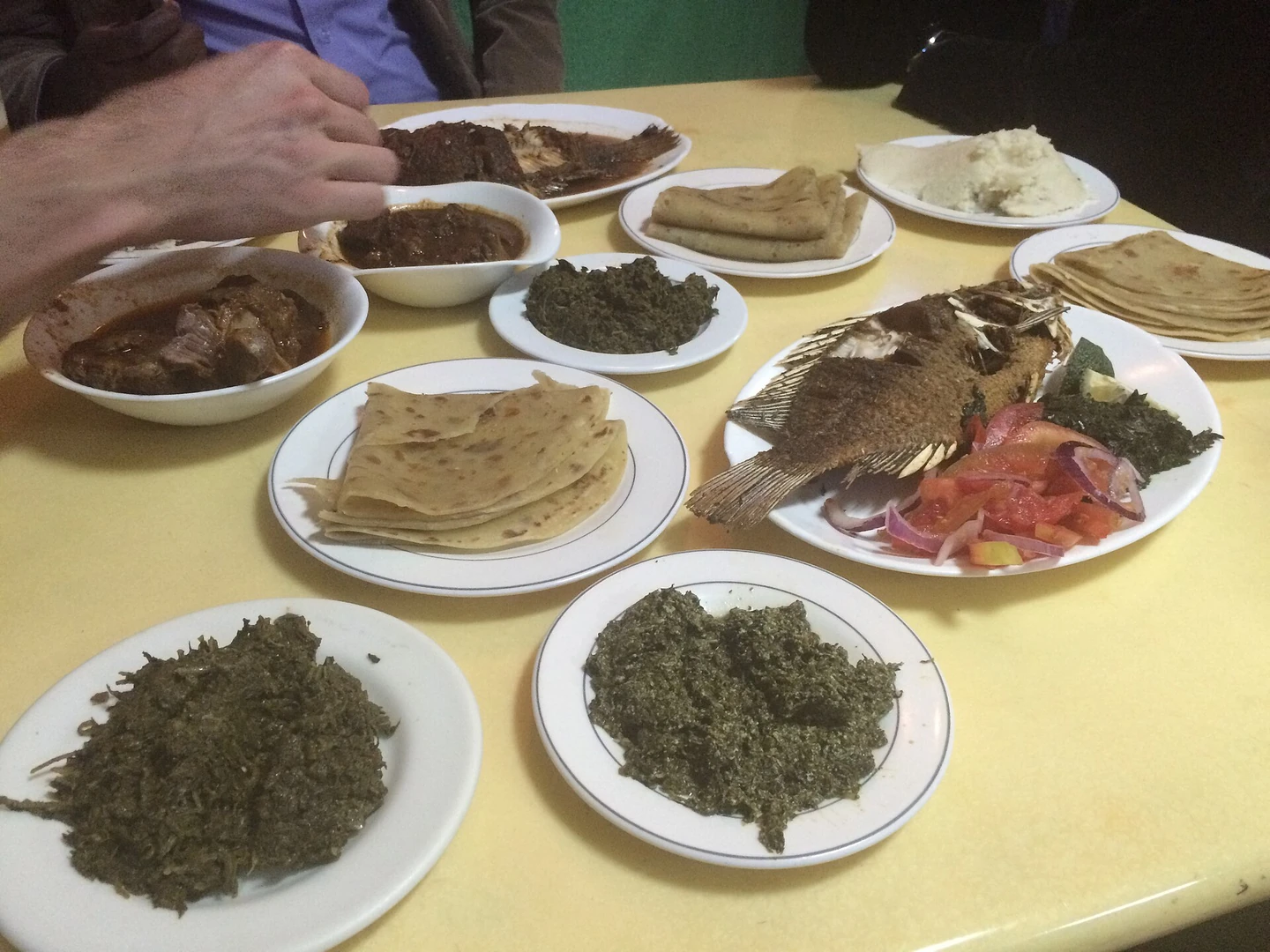
Staples are not automatically “bad”
Foods such as ugali, rice, chapati, potatoes, matoke and other staples can be part of a diet for someone with diabetes. What matters includes the portion, what else is on the plate, the overall eating pattern, and the individual treatment plan.
Trying to remove every carbohydrate often creates a plan that is difficult to maintain and may be unsafe for some people using glucose-lowering medicines.
Build more fibre where practical
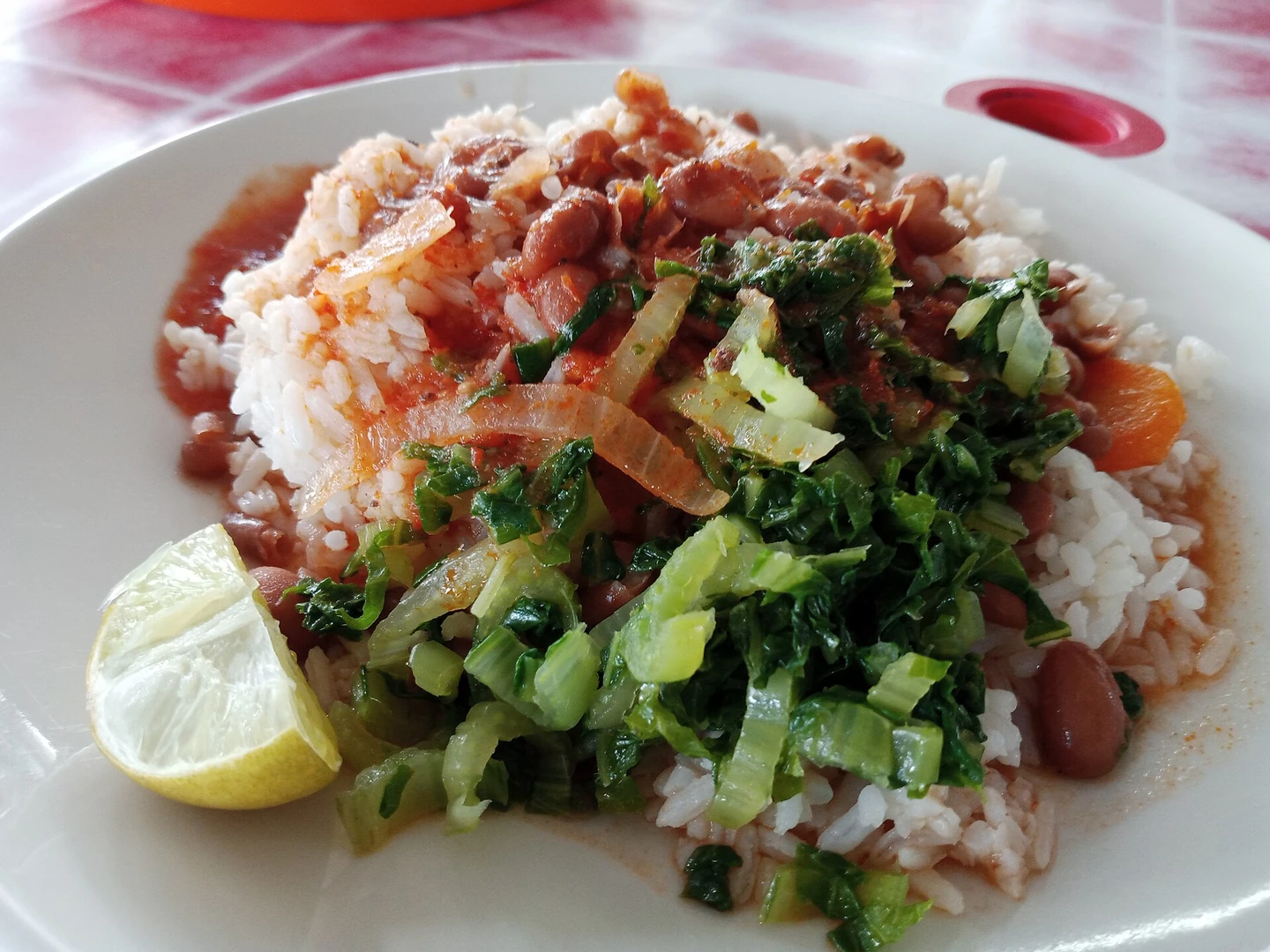
Whole grains, beans, lentils, vegetables, fruits, nuts and seeds can add fibre and nutritional variety. In Kenya, githeri, beans, ndengu, sukuma wiki and other locally available foods can be useful building blocks depending on preparation and portion.
Look at drinks separately
Sugary drinks can add a large amount of rapidly absorbed sugar without much satiety. Water is generally the simplest everyday drink. Juice, sweet tea, sodas, energy drinks and sweetened beverages deserve separate attention because they can be easy to overlook.

Portion is personal
The correct portion is not the same for everyone. Body size, activity, pregnancy, medicines, glucose patterns, kidney function, appetite, food access and other factors can all matter. If you use carbohydrate counting or a specific insulin-to-carbohydrate approach, follow the method taught by your diabetes care team.
Make shopping decisions easier
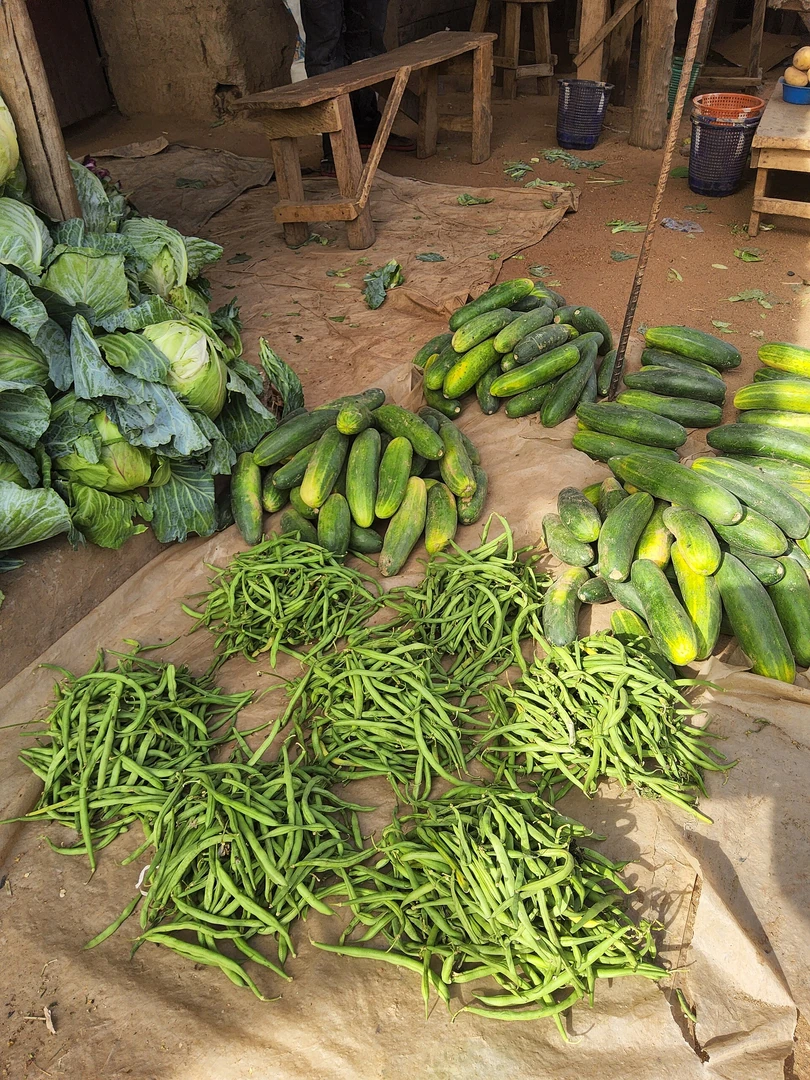
Rather than searching for products labelled “diabetic,” focus on foods you can identify: vegetables, pulses, whole grains where available, protein foods, fruits in reasonable portions, and less heavily processed options. Compare packaged foods by ingredients and nutrition information rather than marketing language.
Source note
This article follows broad healthy-diet principles used by the World Health Organization: dietary adequacy, balance, moderation and diversity, with emphasis on minimally processed foods, vegetables, fruit, whole grains and pulses. Individual diabetes nutrition plans should still be personalised.