Type 1
The body does not make enough insulin. People with type 1 diabetes require insulin for survival. Lifestyle matters, but it does not replace insulin.
Larexod is an independent field guide to diabetes, daily routines and the ordinary choices that shape long-term health.
Type 1, type 2 and diabetes first recognised during pregnancy have different causes and care needs. A useful starting point is understanding which situation applies to you, then discussing individual targets and treatment with a qualified health professional.
The body does not make enough insulin. People with type 1 diabetes require insulin for survival. Lifestyle matters, but it does not replace insulin.
The body becomes less able to use insulin effectively and may also produce too little over time. Food, movement, sleep, weight, medicines and other factors can all matter.
High blood glucose first recognised during pregnancy needs clinical follow-up because pregnancy changes how the body handles glucose and can affect parent and baby.
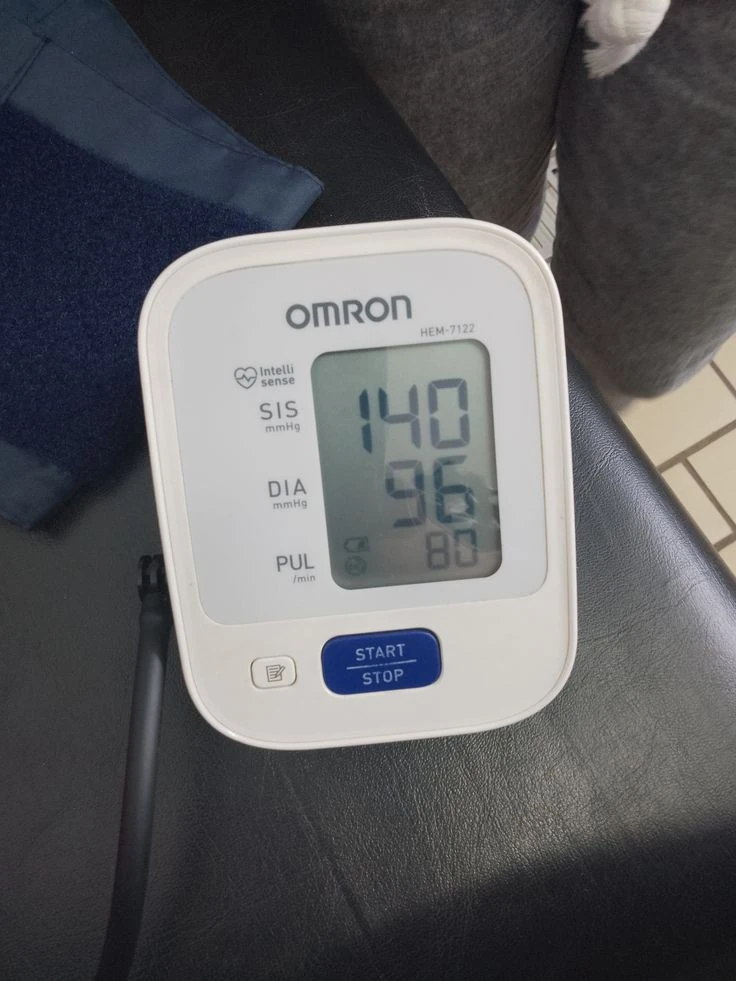
Food, medicine, illness, stress, sleep, hydration and physical activity can all influence blood glucose. Your care team can tell you whether self-monitoring is appropriate and how often to check.
Use the right meter and strips. Follow the manufacturer’s instructions and check expiry dates.
Wash and dry your hands. Residue on the skin can interfere with a finger-prick sample.
Record context. A reading makes more sense when you note meals, activity, medicines, illness or unusual stress.
Do not invent your own target. Personal targets depend on diagnosis, treatment and health circumstances.
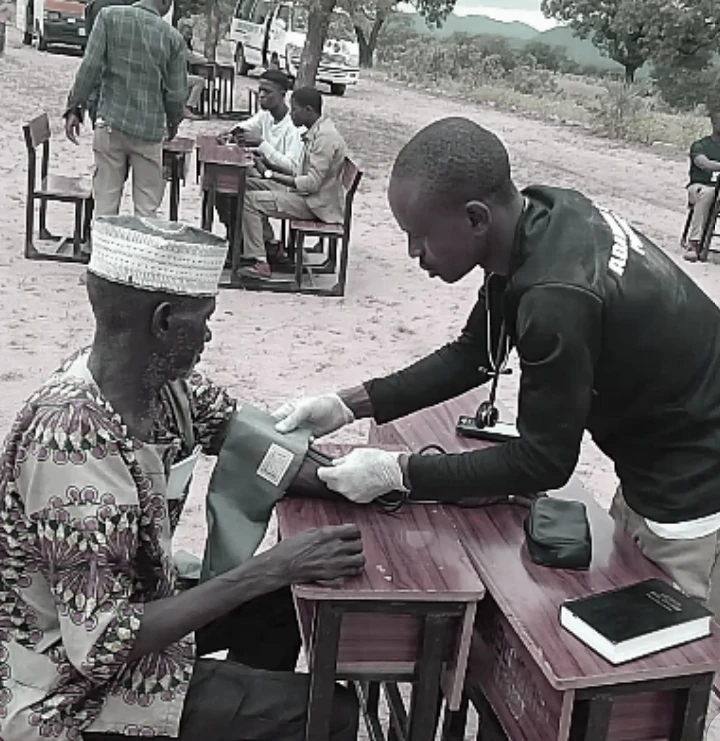
Use this checklist as a reflection tool, not as a diagnosis or score of health. Nothing is saved or sent anywhere.
This counter stays in your browser only for the current page session. It is not a medical risk score.
Healthy eating does not require imported “diabetic foods.” The useful questions are usually about portions, fibre, minimally processed foods, sugary drinks, and how the whole meal fits your treatment plan.
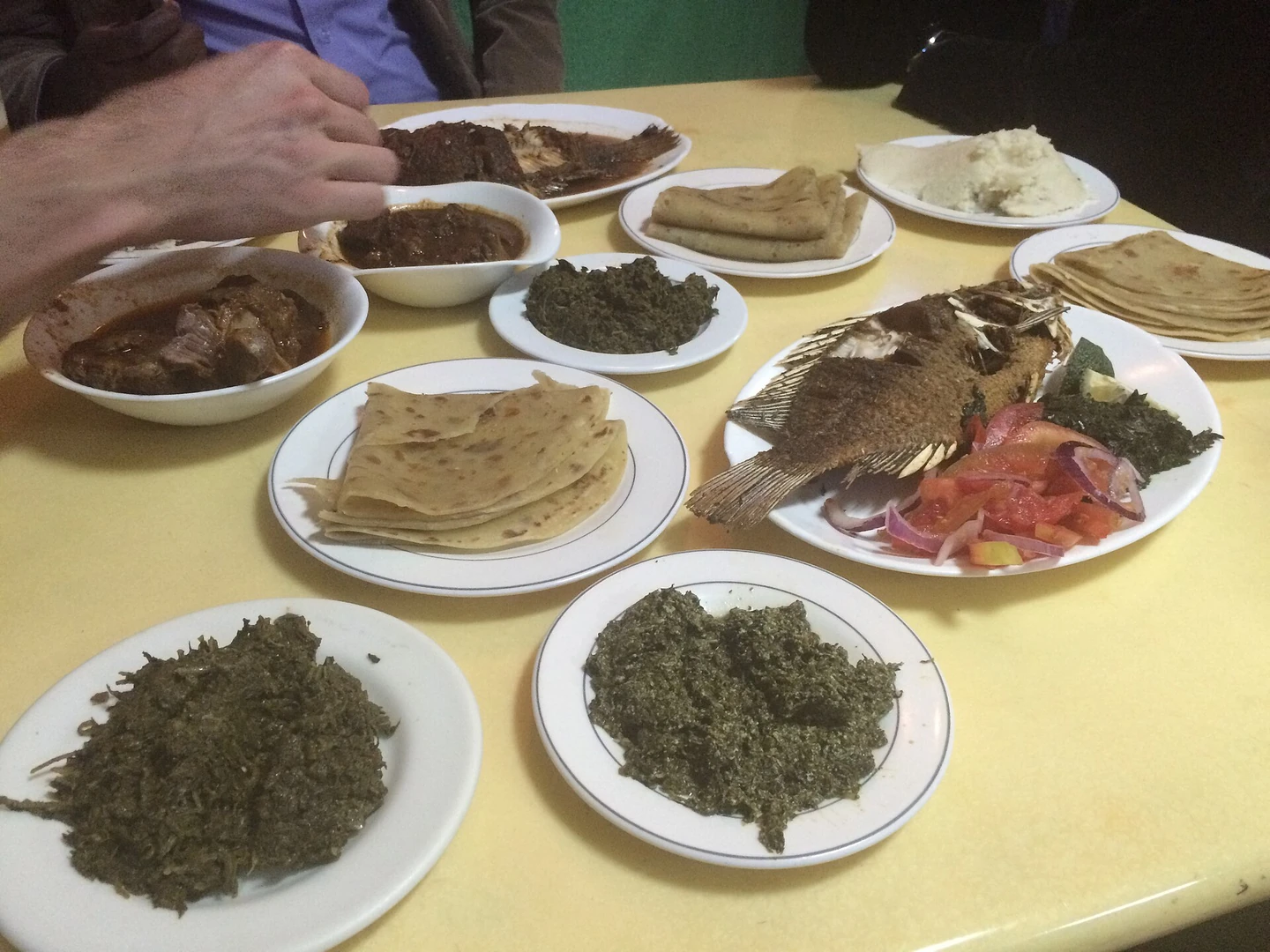
Vegetables: build volume and variety. Protein: beans, lentils, fish, eggs, lean meats or other options. Starches: ugali, rice, potatoes, chapati and other staples affect glucose differently depending on portion and meal context.
If you use insulin or medicines that can cause low blood glucose, changes in carbohydrate intake or activity may require professional guidance.
Adults are generally encouraged to accumulate regular moderate physical activity, but the safest plan depends on fitness, glucose-lowering treatment, complications and other conditions.
Notice how much you already walk or move during a normal week.
A short walk after a meal or a planned activity window can be easier to sustain than an occasional intense session.
If you monitor glucose, note what happens around activity. Ask your clinician about low-glucose precautions when relevant.

Diabetes management is not only about food. Sleep disruption, stress, smoking, alcohol use, illness and everyday demands can change routines and may influence glucose control or cardiovascular risk.
Protect a regular sleep window where possible. Persistent sleep problems deserve discussion with a clinician.
Use practical stress-management methods that are realistic for your life; do not treat stress as a personal failure.
Avoiding tobacco is part of reducing long-term cardiovascular risk.
Alcohol can interact with medicines and glucose control. Ask for personal advice if you drink.
What measurements mean, what changes them and how to keep useful records.
Read note → FoodHow to think about local staples, vegetables, pulses, portions and drinks.
Read note → RoutineBuild a routine without turning every day into a perfect-health project.
Read note →Online education cannot assess dehydration, infection, severe high or low blood glucose, pregnancy, medicine side effects or other urgent problems. If you feel seriously unwell, have severe or worsening symptoms, or are worried about an unusual glucose result, seek prompt medical care.